Introduction
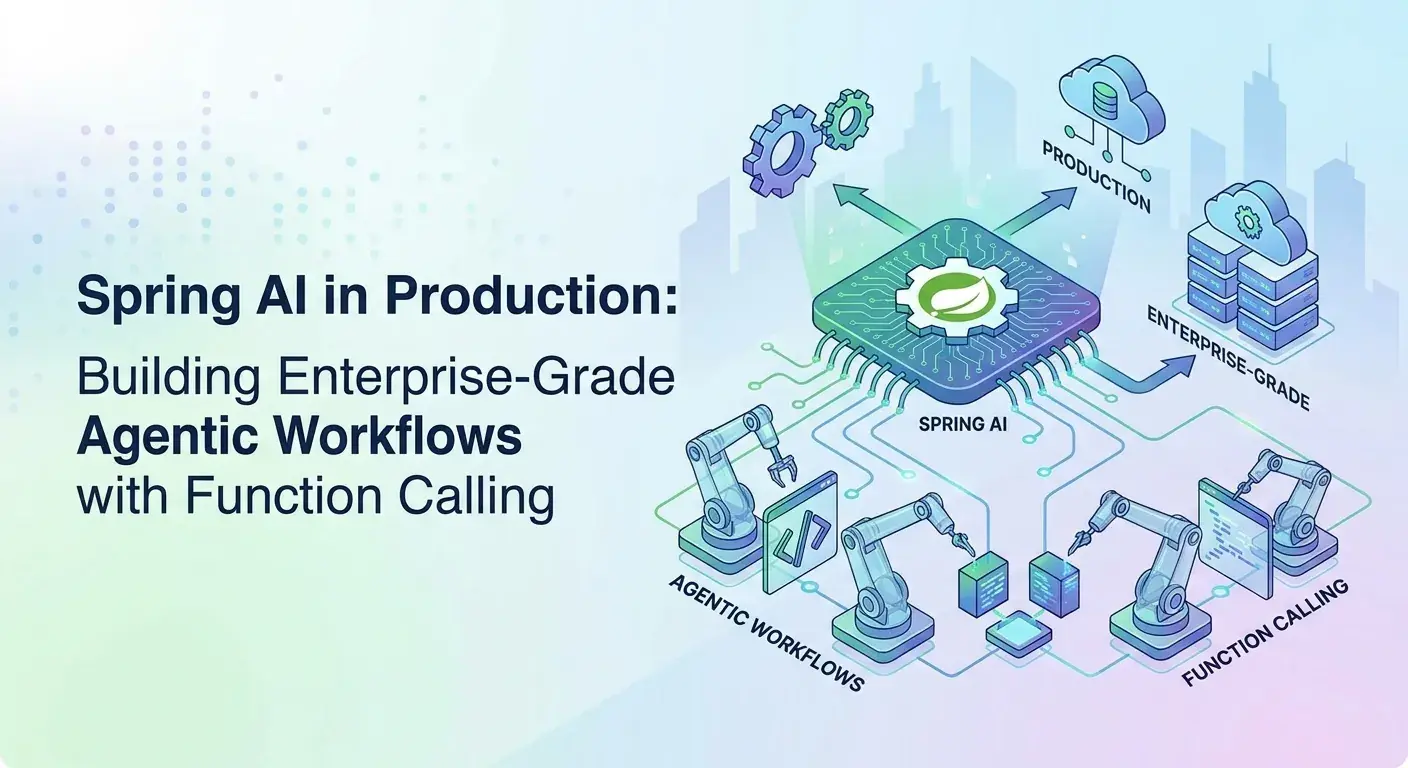
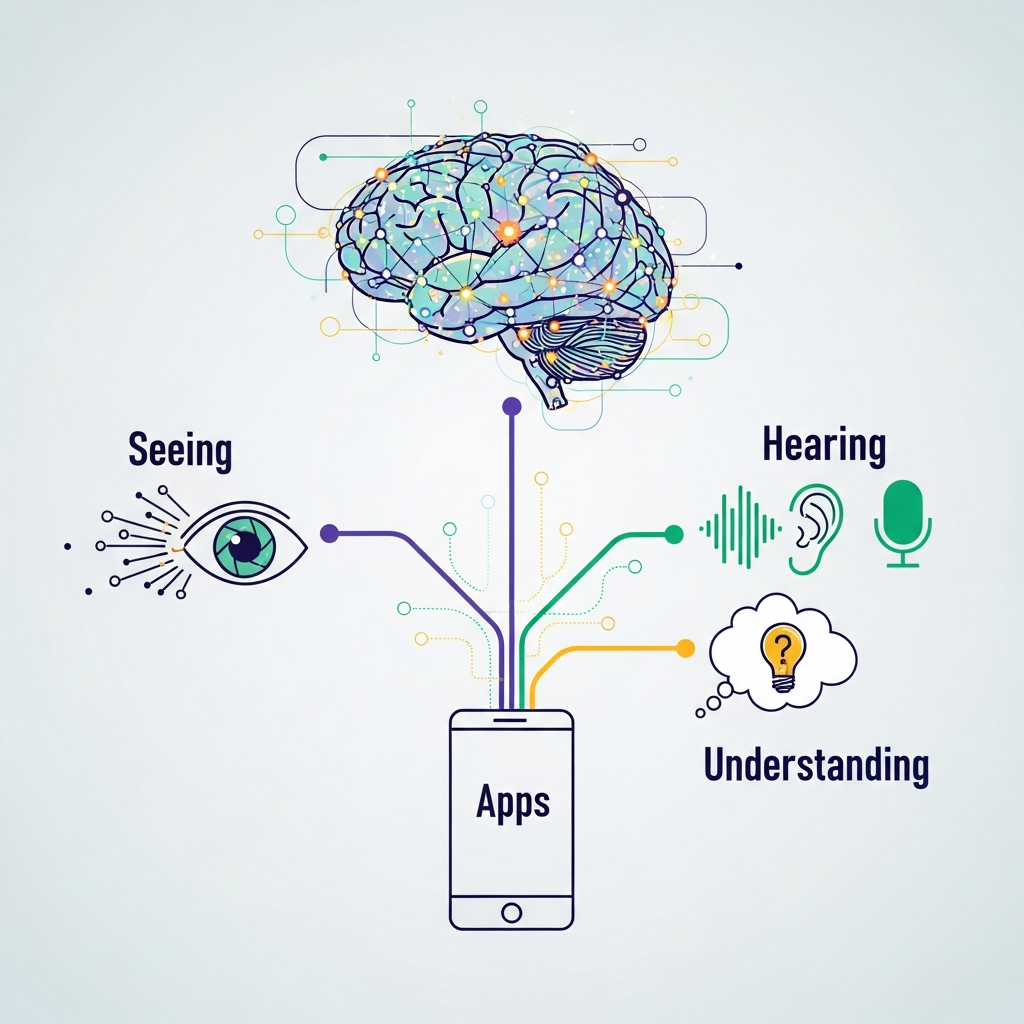
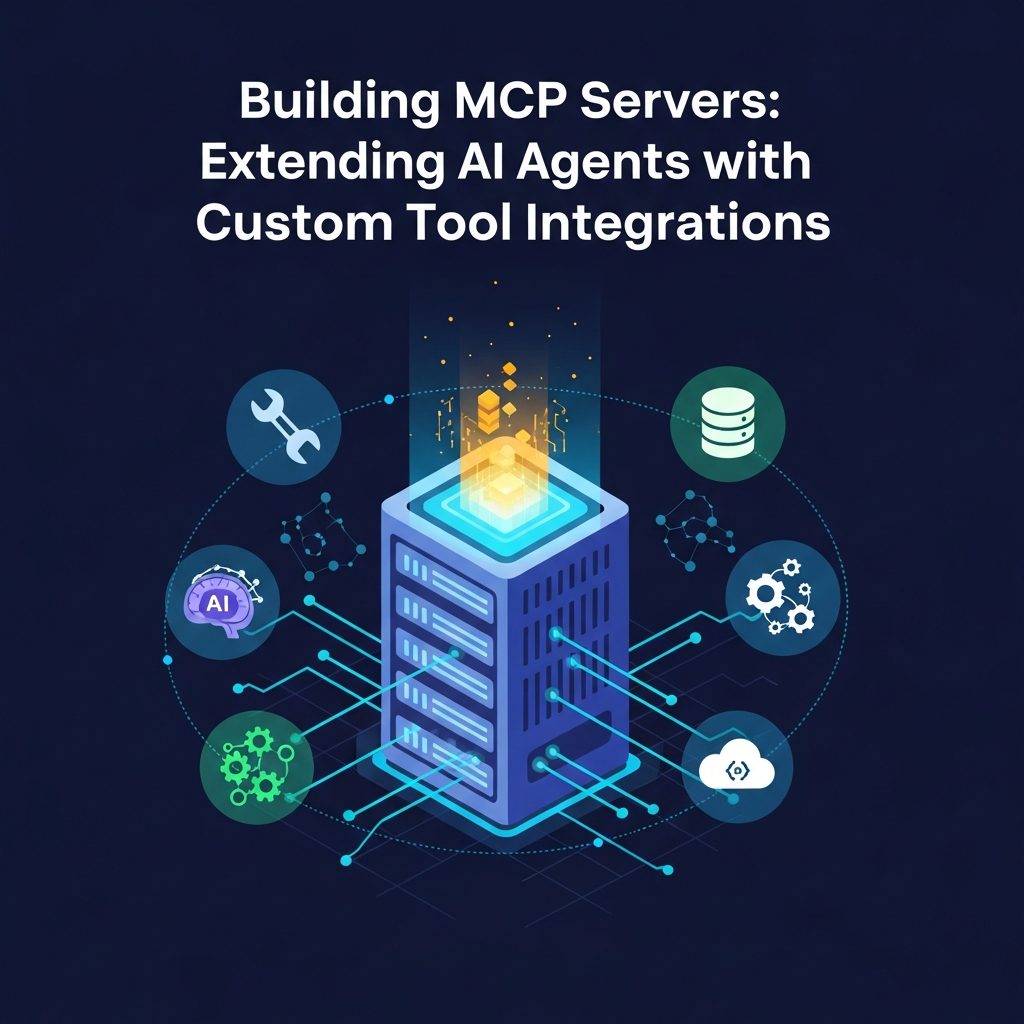
Generative AI is rapidly reshaping the landscape of software development. By automating routine tasks and enhancing creative processes, it offers unprecedented capabilities to developers. This blog post explores the tools, techniques, and practical use cases of generative AI in software development.
Understanding Generative AI
Generative AI refers to algorithms that can generate new content based on learned patterns from existing data. Unlike traditional AI, which focuses on classification and prediction, generative AI creates something new, whether it be text, code, or images. In software development, this means generating boilerplate code, suggesting optimizations, or even creating entire applications.
Popular Generative AI Tools
Several tools harness generative AI to aid software development:
- GitHub Copilot: An AI-powered code completion tool that suggests whole lines or blocks of code.
- OpenAI Codex: A versatile AI model that translates natural language into code, assisting developers in writing code faster.
- TabNine: An AI-driven code completion tool that supports multiple programming languages and integrates with various IDEs. These tools streamline coding processes, reducing the time spent on mundane tasks.
Techniques for Implementing Generative AI
Implementing generative AI involves a few key techniques:
- Data Preprocessing: Clean and prepare datasets to train AI models effectively.
- Model Training: Utilize frameworks like TensorFlow or PyTorch to train generative models.
- Fine-Tuning: Adjust existing models on specific tasks to improve accuracy and performance. These techniques ensure that AI models are robust and capable of handling a range of development tasks.
Use Cases in Software Development
Generative AI has found various use cases, such as:
- Code Generation: Automating the creation of repetitive code segments, reducing error rates and improving efficiency.
- Bug Detection and Fixing: AI models can predict and suggest fixes for potential bugs, enhancing software reliability.
- Documentation Generation: Automatically generating documentation, making it easier for developers to maintain comprehensive documentation without manual effort.
- Design Prototyping: Generating UI/UX prototypes based on textual descriptions, accelerating the design process. These use cases demonstrate the versatility and utility of generative AI in modern software development.
Challenges and Considerations
Despite its advantages, generative AI poses certain challenges:
- Data Privacy: Ensuring that the data used to train AI models is secure and compliant with privacy regulations.
- Bias in AI Models: Addressing biases in training data to prevent biased outputs.
- Quality Assurance: Ensuring the generated output meets quality standards and is free from errors. Addressing these challenges is crucial for the responsible and effective use of generative AI.
Future of Generative AI in Software Development
The future of generative AI in software development looks promising. As AI models become more sophisticated, we can expect even more advanced capabilities, such as generating complex applications from simple specifications or integrating AI seamlessly into continuous integration/continuous deployment (CI/CD) pipelines.
Conclusion
Generative AI is transforming software development by automating tasks, enhancing creativity, and improving efficiency. By understanding and leveraging the tools and techniques discussed, developers can harness the full potential of AI to innovate and streamline their workflows. As technology progresses, the integration of generative AI into software development promises exciting advancements and new opportunities for innovation.

Written by
CodewithYohaFull-Stack Software Engineer with 7+ years of experience in Java, Spring Boot, and cloud architecture across AWS, Azure, and GCP. Writing production-grade engineering patterns for developers who ship real software.