Introduction
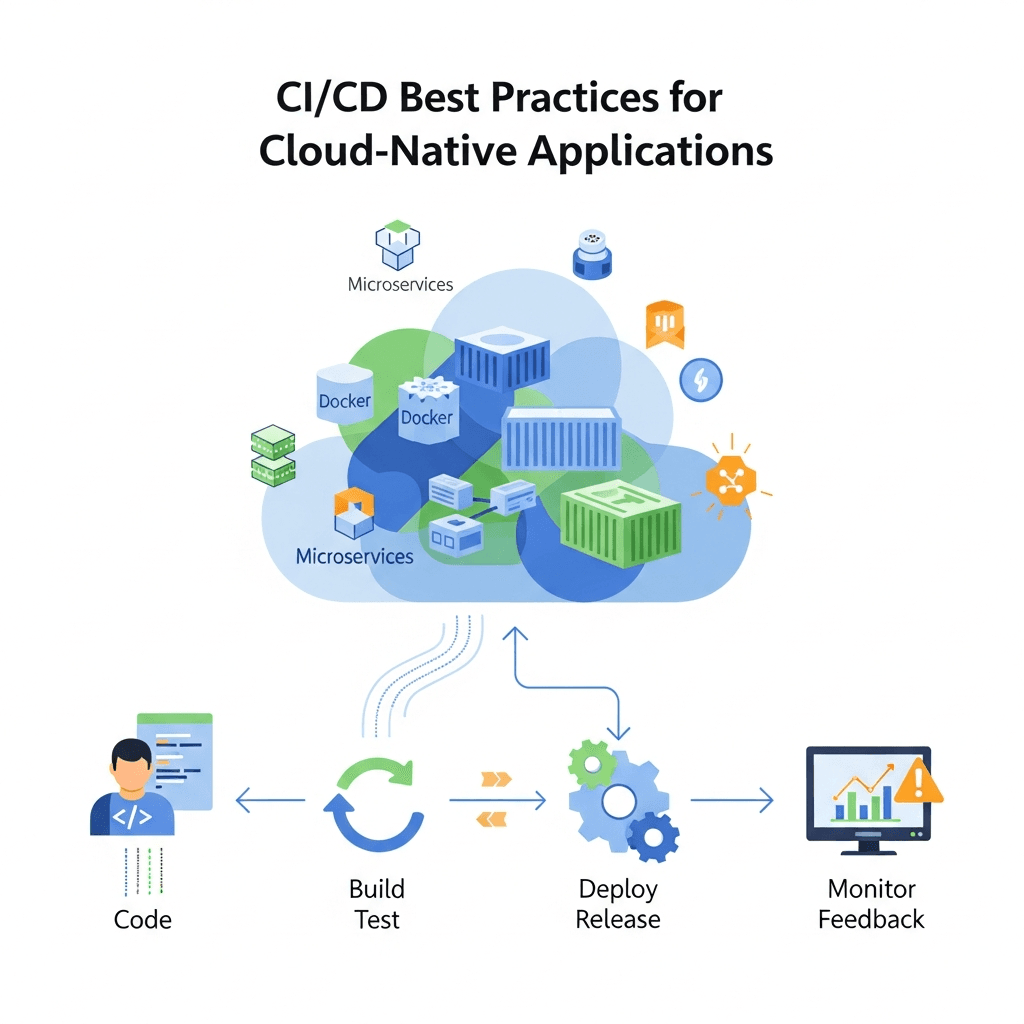
In the dynamic world of cloud-native applications, Continuous Integration and Continuous Deployment (CI/CD) are critical for maintaining agility and reliability. This blog post explores best practices tailored for cloud-native environments, which leverage the benefits of cloud services while addressing their unique challenges.
The Importance of CI/CD in Cloud-Native Applications
CI/CD pipelines automate the process of building, testing, and deploying applications, reducing human error and increasing development velocity. For cloud-native applications, which are typically composed of microservices, CI/CD ensures each service is tested and deployed independently, maintaining overall system integrity.
Best Practice 1: Use Containerization
Containerization, using tools like Docker, ensures consistency across development, testing, and production environments. Containers encapsulate an application and its dependencies, allowing for seamless transitions across different stages of the CI/CD pipeline.
docker build -t myapp:latest .
docker run -p 8080:8080 myapp:latest
Best Practice 2: Implement Infrastructure as Code (IaC)
IaC tools such as Terraform or AWS CloudFormation enable you to manage your infrastructure through code. This practice ensures that your environments are reproducible and version-controlled, making deployments reliable and reducing configuration drift.
resource "aws_instance" "web" {
  ami           = "ami-0c55b159cbfafe1f0"
  instance_type = "t2.micro"
}
Best Practice 3: Automate Testing
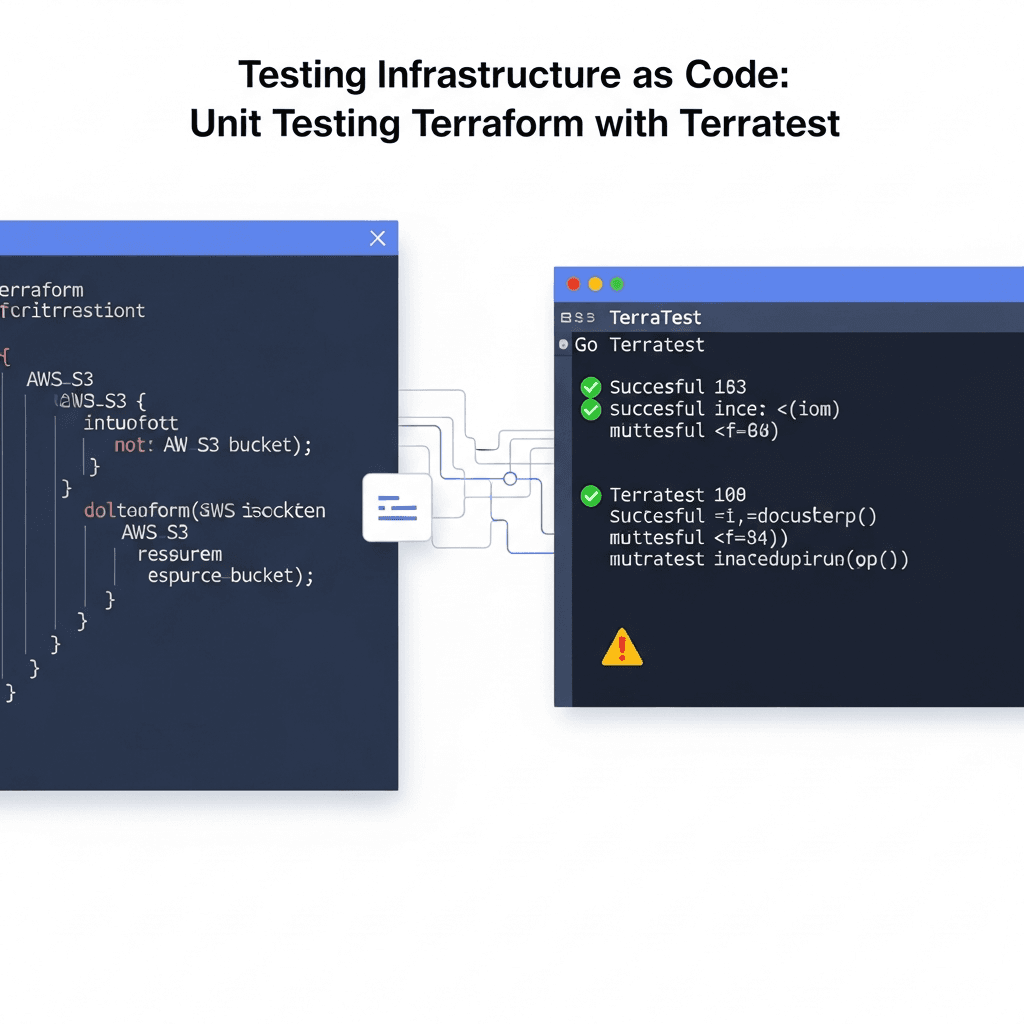
Automated testing is a cornerstone of CI/CD. Incorporate unit, integration, and end-to-end tests to ensure each component functions correctly and integrates well with others. Tools like Jenkins, CircleCI, or GitLab CI can be integrated to run these tests automatically.
pipeline {
  agent any
  stages {
    stage('Test') {
      steps {
        sh 'npm test'
      }
    }
  }
}
Best Practice 4: Continuous Monitoring and Feedback
Integrate monitoring tools such as Prometheus and Grafana to provide real-time insights into application performance and health. Continuous feedback loops help quickly identify and resolve issues, improving system reliability.
Best Practice 5: Secure Your Pipeline
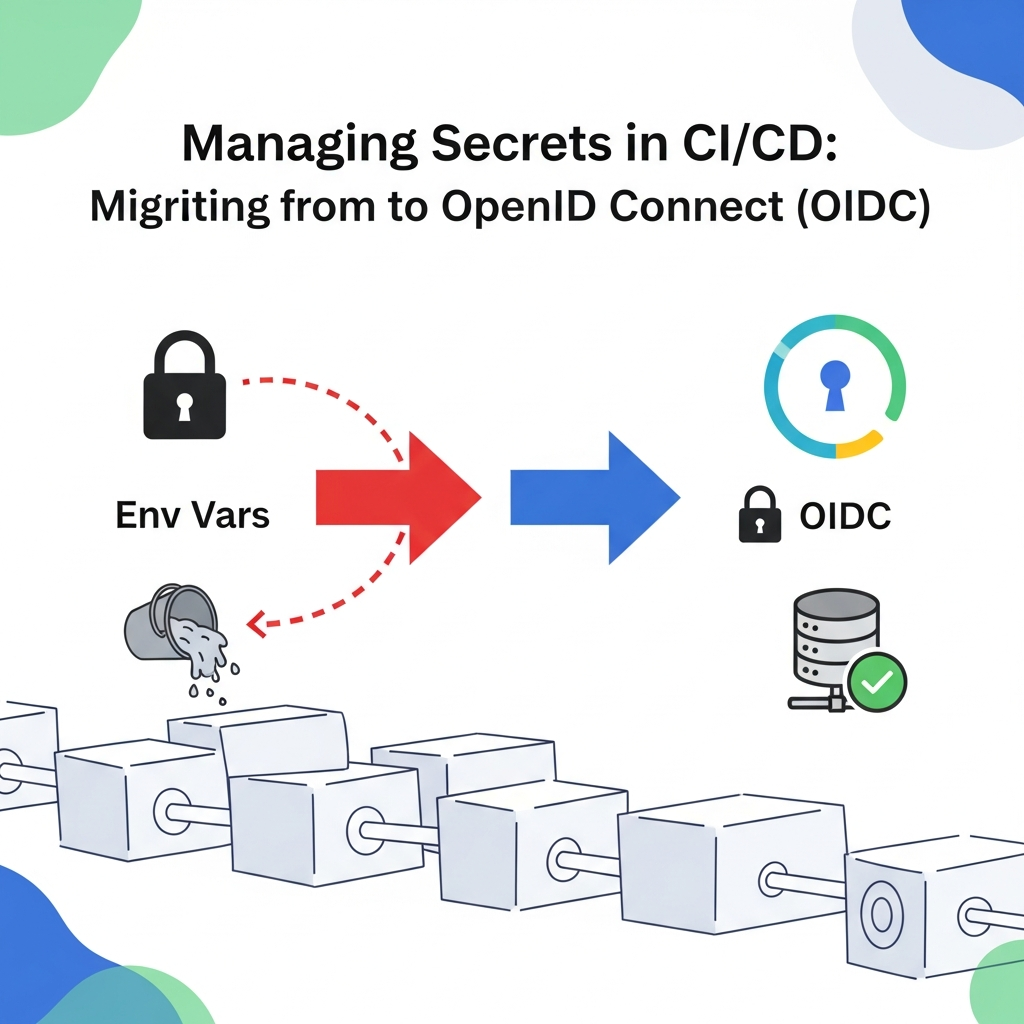
Security in CI/CD pipelines is crucial, especially in cloud-native applications. Use tools like Snyk or OWASP Dependency-Check to scan for vulnerabilities in your code and dependencies. Ensure that secrets are managed securely using vaults or environment variables.
Best Practice 6: Use Multi-Stage Deployments
Implement multi-stage deployments (e.g., development, testing, staging, production) to gradually roll out changes and ensure each release is thoroughly vetted. Kubernetes and Helm can help manage these environments effectively.
apiVersion: apps/v1
kind: Deployment
metadata:
  name: myapp
spec:
  replicas: 3
Conclusion
Adopting these CI/CD best practices for cloud-native applications can significantly enhance deployment efficiency, scalability, and reliability. By leveraging the power of automation, containerization, and continuous feedback, organizations can deliver higher quality software faster and adapt to changing business needs more effectively.

Written by
CodewithYohaFull-Stack Software Engineer with 7+ years of experience in Java, Spring Boot, and cloud architecture across AWS, Azure, and GCP. Writing production-grade engineering patterns for developers who ship real software.