Introduction
Distributed systems are increasingly prevalent in today's technology landscape, providing scalable and resilient solutions to complex problems. However, the complexity of these systems introduces unique challenges in error handling. Effective error handling strategies are essential to ensure reliability and maintainability.
Understanding Error Types
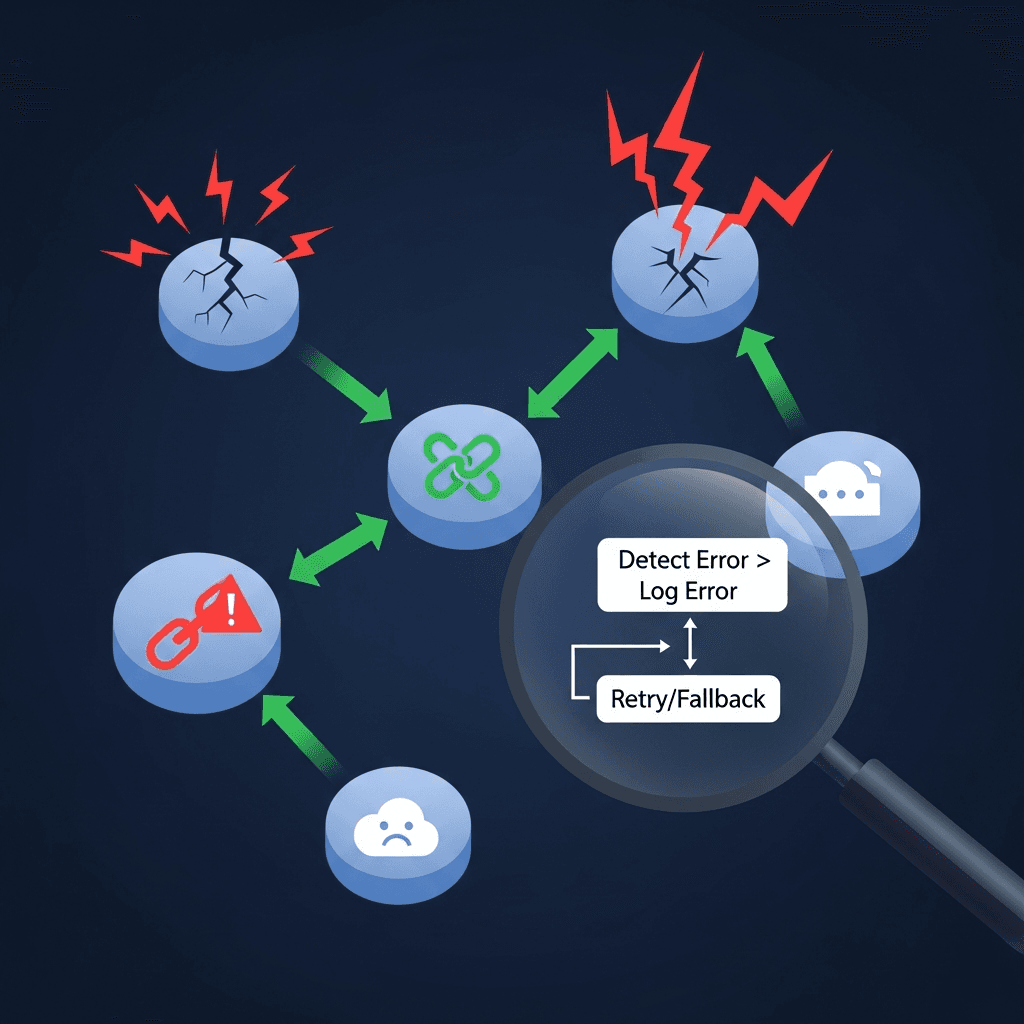
In distributed systems, errors can manifest in various forms such as network failures, service outages, and data inconsistencies. Identifying and categorizing these errors is the first step in developing robust handling strategies.
Graceful Degradation
Graceful degradation allows a system to continue operating at a reduced functionality level rather than failing completely. Implementing fallbacks and alternative workflows ensures the system remains usable even when components fail.
Circuit Breaker Pattern
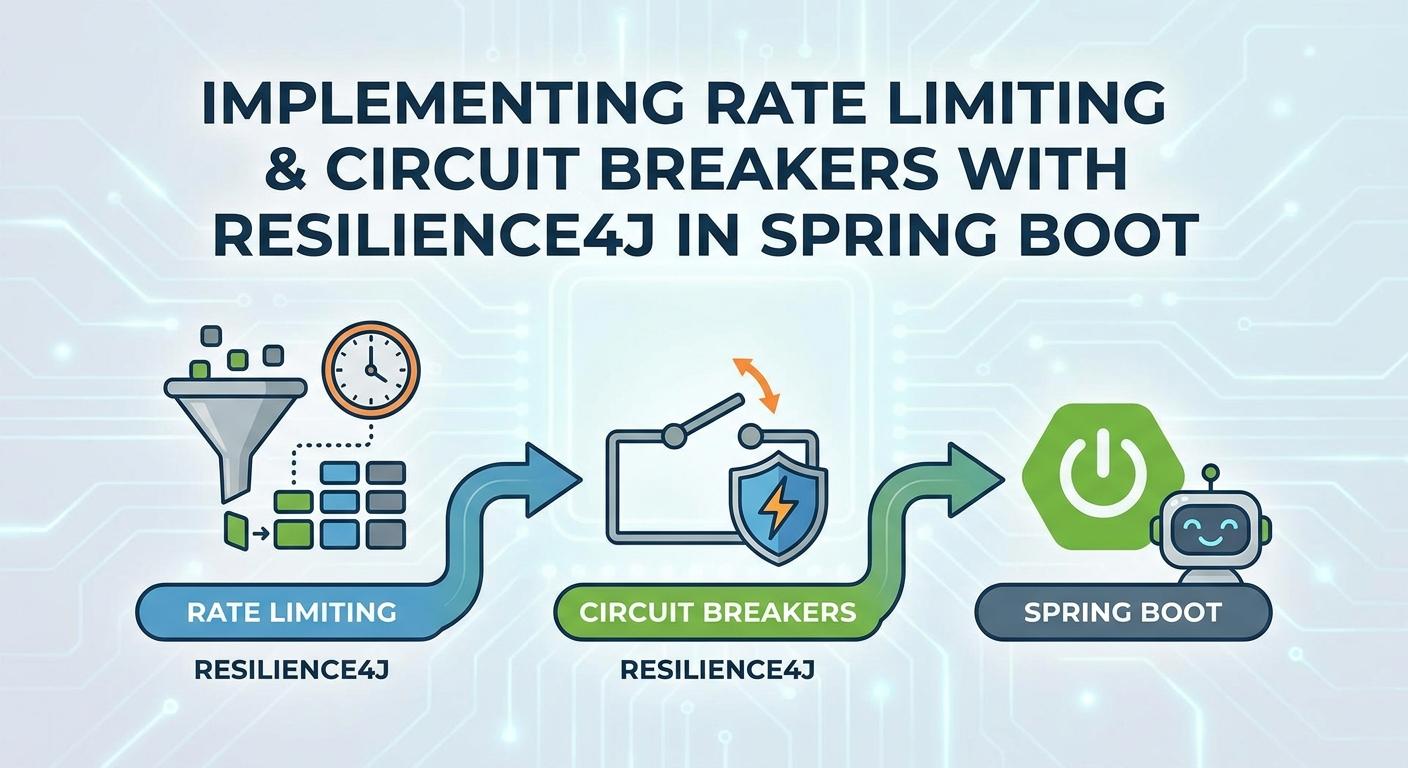
The circuit breaker pattern is a critical mechanism that prevents a system from repeatedly attempting operations likely to fail. By temporarily halting requests to a failing service, it allows time for recovery and prevents cascading failures.
public class CircuitBreaker {
    private boolean open = false;
    private int failureCount = 0;
    private final int threshold = 3;

    public void callService() {
        if (open) {
            throw new RuntimeException("Circuit is open");
        }
        try {
            // Call external service
        } catch (Exception e) {
            failureCount++;
            if (failureCount >= threshold) {
                open = true;
            }
        }
    }
}
Retry Mechanism
Implementing a retry mechanism with exponential backoff can help mitigate transient errors and improve system reliability. However, it should be used judiciously to avoid overwhelming the system.
Idempotency
Ensuring that operations are idempotent allows them to be retried without adverse effects. This is particularly important in distributed systems where operations may be repeated due to network issues or errors.
Monitoring and Alerting
Constantly monitoring the system for errors and anomalies is crucial. Implementing comprehensive logging and alerting ensures that issues are detected and addressed promptly.
Conclusion
Error handling in distributed systems is a multi-faceted challenge that requires a combination of strategies. By understanding the nature of errors and employing techniques like graceful degradation, circuit breakers, and retry mechanisms, we can build systems that are both robust and resilient. Effective error handling not only improves system reliability but also enhances user experience and trust.

Written by
CodewithYohaFull-Stack Software Engineer with 7+ years of experience in Java, Spring Boot, and cloud architecture across AWS, Azure, and GCP. Writing production-grade engineering patterns for developers who ship real software.