
Introduction
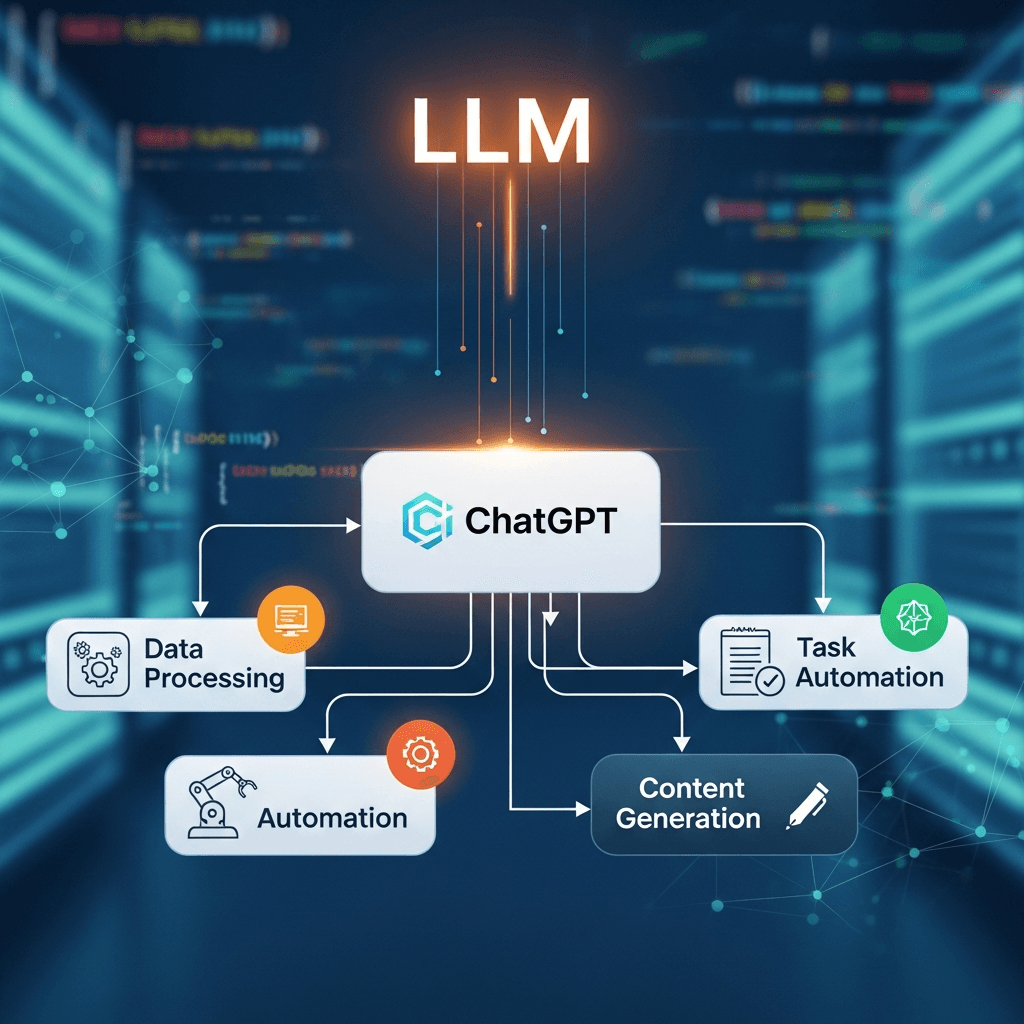
Integrating ChatGPT and other large language models (LLMs) into backend workflows offers significant improvements in automation and efficiency. By leveraging these AI technologies, developers can create smarter applications that streamline operations and enhance user experiences.
Understanding LLMs and ChatGPT
Large Language Models (LLMs) like ChatGPT are AI systems designed to understand and generate human-like text based on input prompts. These models are trained on diverse datasets, enabling them to perform various tasks such as content generation, data summarization, and even complex decision-making processes. ChatGPT, a variant of GPT developed by OpenAI, is tailored for conversational applications but can be adapted for backend processes.
Benefits of Integrating LLMs
Integrating LLMs into backend workflows provides numerous benefits:
- Efficiency: Automate repetitive tasks, reducing the need for manual intervention.
- Scalability: Handle large volumes of requests without compromising performance.
- Intelligence: Enhance decision-making processes with AI-driven insights and recommendations.
Setting Up ChatGPT for Backend Integration
To integrate ChatGPT into your backend, you need to:
- API Access: Obtain API access from OpenAI to use ChatGPT in your applications.
- Environment Setup: Configure your development environment with necessary libraries and dependencies.
- Authentication: Implement secure authentication mechanisms to protect your API keys.
Here's a basic example in Python:
import openai

openai.api_key = 'your-api-key'

response = openai.Completion.create(
  model="text-davinci-003",
  prompt="Summarize the recent meeting notes",
  max_tokens=150
)

print(response['choices'][0]['text'])
Automating Processes with ChatGPT
LLMs can be used to automate numerous backend processes:
- Customer Support: Automate responses to common queries using AI-generated answers.
- Data Analysis: Summarize and analyze large datasets, providing insights and trends.
- Content Generation: Automatically generate reports, emails, and other textual content.
Challenges and Considerations
While integrating LLMs offers many advantages, there are challenges to consider:
- Cost: Usage of LLMs can be costly, especially at scale.
- Latency: Response times may vary based on model size and complexity.
- Ethical Considerations: Ensure that AI-generated content aligns with ethical guidelines and company policies.
Future of LLMs in Backend Workflows
The future of LLMs in backend workflows is promising. As models become more efficient and cost-effective, their applications will expand across industries. Continuous advancements in AI will lead to even more intelligent and autonomous systems.
Conclusion
Integrating ChatGPT and other LLMs into backend workflows can significantly enhance automation and intelligence. By understanding the potential of these technologies and addressing their challenges, developers can create robust, efficient systems that transform how businesses operate. As AI technology continues to evolve, the integration of LLMs will play a crucial role in shaping the future of backend development.

Written by
CodewithYohaFull-Stack Software Engineer with 7+ years of experience in Java, Spring Boot, and cloud architecture across AWS, Azure, and GCP. Writing production-grade engineering patterns for developers who ship real software.